
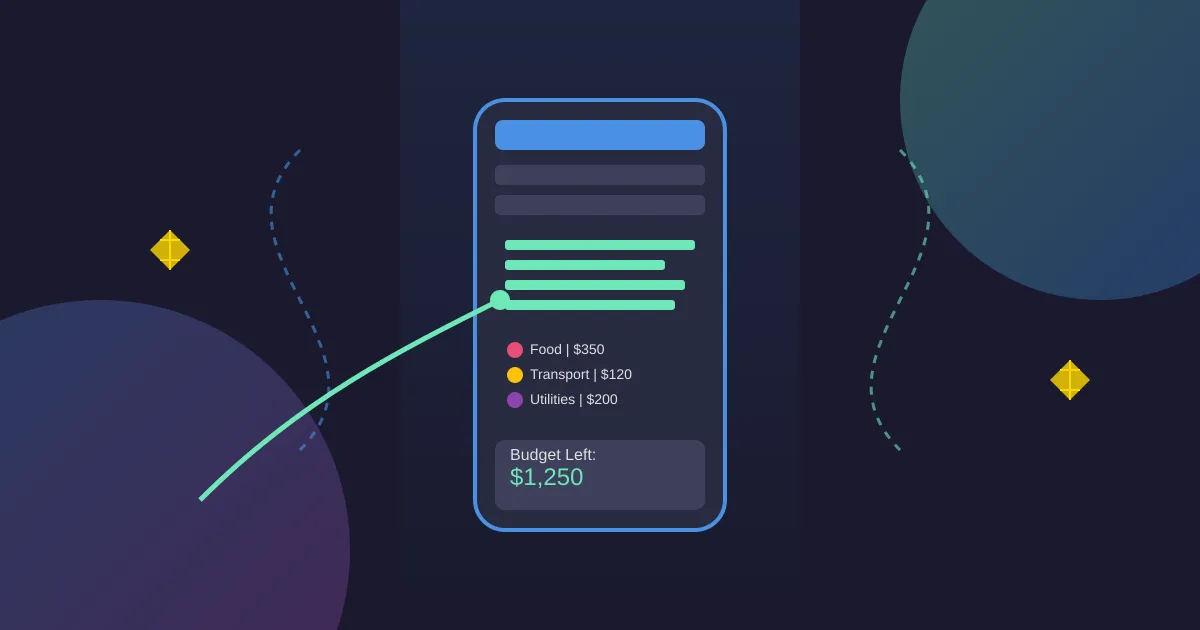
Budgeting Apps Surge: Navigating Economic Uncertainty with FinTech
Published on May 13, 2026
Quick Answer: Amidst global economic uncertainties and rising costs, there’s been a significant surge in the adoption of budgeting and expense tracking mobile applications, as individuals increasingly turn to digital tools to gain control over their personal finances and build resilience.
The Economic Headwinds and the Digital Lifeline
In an era marked by fluctuating inflation, unpredictable interest rates, and a general sense of economic uncertainty, individuals worldwide are feeling the pinch. From soaring grocery bills to climbing energy costs, managing personal finances has become a more complex and critical task than ever before. This challenging environment has, perhaps counter-intuitively, fueled a significant boom in a particular corner of the tech world: budgeting and expense tracking mobile applications.
What was once a niche market for the financially meticulous has transformed into a mainstream necessity. People are no longer content with reactive financial management; they seek proactive tools that offer clarity, control, and foresight. This surge in demand isn’t just a fleeting trend; it reflects a deeper societal shift towards digital empowerment in personal finance, driven by innovative FinTech solutions and modern development paradigms.
Beyond Spreadsheets: The Evolution of FinTech
The days of cumbersome spreadsheets and manual ledger entries are rapidly fading into obsolescence. Modern budgeting apps have transcended simple data entry, evolving into sophisticated financial companions powered by cutting-edge technology. They offer a holistic view of one’s financial landscape, providing insights that were once only accessible through professional financial advisors.
Key Features Driving Adoption
The success of these applications lies in their ability to offer a comprehensive suite of features designed for the modern user:
- Real-time Tracking and Categorization: Automated syncing with bank accounts and credit cards allows for instantaneous transaction updates. AI-powered algorithms automatically categorize spending, providing an immediate snapshot of where money is going. This eliminates manual input errors and saves invaluable time.
- Intuitive Goal Setting: Users can set specific financial goals, whether it’s saving for a down payment, a vacation, or an emergency fund. The apps track progress, offer nudges, and provide actionable advice to stay on track.
- Predictive Analytics and Budgeting: Leveraging historical spending data, many apps can predict future cash flow, suggest realistic budgets, and alert users to potential shortfalls before they occur. This proactive approach is a game-changer for financial planning.
- Personalized Insights and Recommendations: Beyond just displaying data, these apps analyze spending patterns to offer personalized insights. They might identify subscriptions that can be cut, suggest areas for saving, or even recommend better financial products based on user behavior.
- Robust Security and Privacy: Handling sensitive financial data requires top-tier security. Modern apps employ encryption, multi-factor authentication, and adhere to stringent data privacy regulations (like GDPR and CCPA), building trust with their user base.
The Developer’s Perspective: Building for Financial Wellness
For developers and founders, the burgeoning market for budgeting apps presents both exciting opportunities and significant challenges. Crafting a successful FinTech product requires more than just coding; it demands a deep understanding of user psychology, financial principles, and the latest in secure, scalable technology.
Modern Development Practices in FinTech
Building a robust budgeting app today means embracing a suite of modern development practices:
- Cloud-Native Architectures: Utilizing microservices, serverless functions, and containerization (e.g., Docker, Kubernetes) on cloud platforms (AWS, Azure, GCP) ensures scalability, resilience, and rapid deployment. This allows apps to handle millions of transactions and users seamlessly.
- Secure API Integrations: Open Banking initiatives and secure API standards (like OAuth 2.0) are crucial for connecting with various financial institutions. Developers must ensure these integrations are not only functional but also impenetrable to cyber threats.
- Data Privacy by Design: From the ground up, applications must be designed with privacy in mind. This involves anonymization, encryption of data at rest and in transit, and clear consent mechanisms for data usage. Compliance with global regulations is non-negotiable.
- Real-time Data Processing: Technologies like Kafka or Apache Flink are employed to process vast streams of financial transactions in real-time, enabling instant updates and immediate feedback to users.
- Exceptional UI/UX: For an app dealing with such sensitive and often stressful information, the user interface and experience must be intuitive, calming, and empowering. Clean design, clear data visualization, and seamless navigation are paramount.
Leveraging AI and Machine Learning
Artificial intelligence and machine learning are the silent powerhouses behind many advanced budgeting features:
- Automated Categorization: ML models learn from user behavior to accurately categorize transactions, even for obscure merchants, significantly reducing manual effort.
- Fraud Detection: AI algorithms can detect unusual spending patterns, flagging potentially fraudulent activities faster than traditional rule-based systems.
- Personalized Financial Advice: Machine learning models analyze spending habits, income, and goals to provide highly personalized recommendations, from optimizing savings to suggesting debt repayment strategies.
Real-World Impact and Future Trends
The impact of budgeting apps extends beyond individual financial health. They contribute to greater financial literacy, empower economic decision-making, and foster a more informed populace.
Empowering Financial Literacy
By demystifying financial jargon and presenting complex data in an accessible format, these apps act as powerful educational tools. Users learn about their spending habits, identify areas for improvement, and build healthier financial routines, often without even realizing they’re being educated.
The Future: Hyper-Personalization and Proactive Advice
The future of budgeting apps points towards even greater hyper-personalization and proactive assistance. Imagine an app that not only tells you where your money went but also suggests optimal investment strategies based on your risk tolerance, automatically negotiates better deals on your behalf, or even predicts major life expenses and helps you prepare years in advance. Integration with other aspects of life, like smart home devices or health trackers, could offer even more holistic financial planning.
Our Solution for Smarter Spending
In this dynamic landscape of evolving financial tools, applications like our powerful Expense tracking and budgeting Android-based mobile app, Credebito, stand out. Designed with modern development practices and a keen understanding of user needs, Credebito offers individuals an intuitive platform to gain mastery over their finances. With features focused on seamless expense tracking, smart budgeting, and actionable insights, Credebito empowers users to make informed financial decisions daily. You can explore its features and start your journey towards financial clarity at CreDebito.
Conclusion
The surge in budgeting app downloads is a clear indicator of a global need for greater financial control and resilience in uncertain times. For developers, it represents a fertile ground for innovation, demanding a blend of technical prowess, user-centric design, and unwavering commitment to security and privacy. As these apps continue to evolve, they will not only help individuals navigate economic headwinds but also fundamentally transform how we interact with our money, fostering a future of greater financial empowerment for all. The digital age is truly making financial wellness accessible, one smart budget at a time.